-

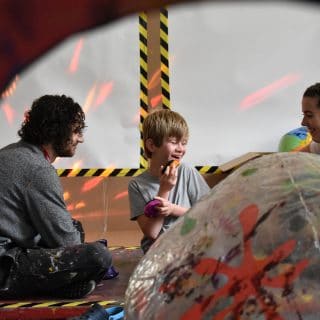
Art Breaks
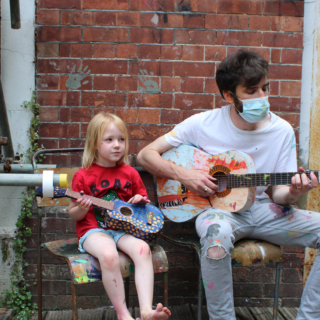
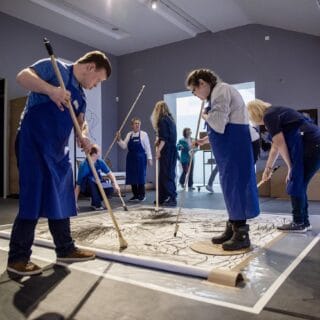
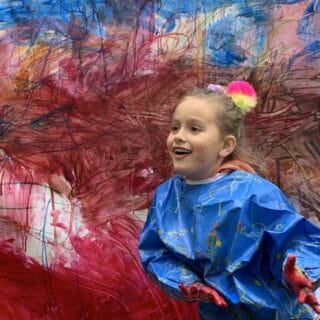
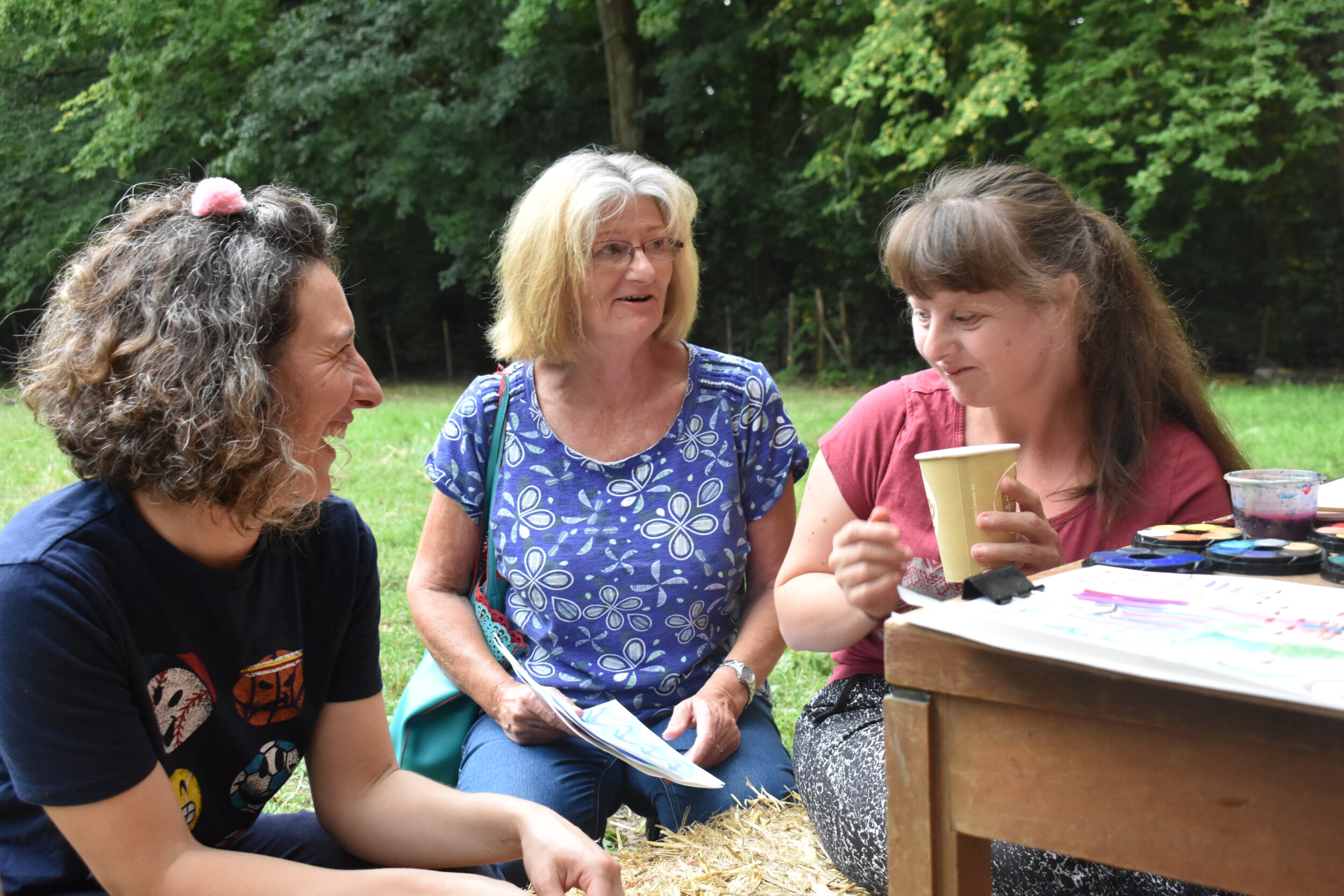
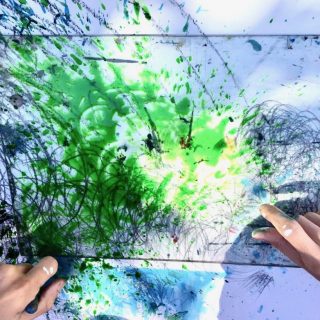
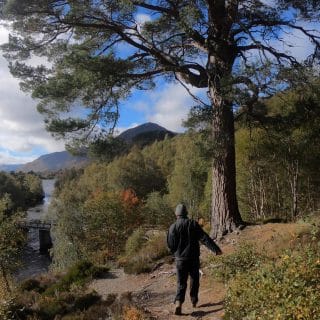
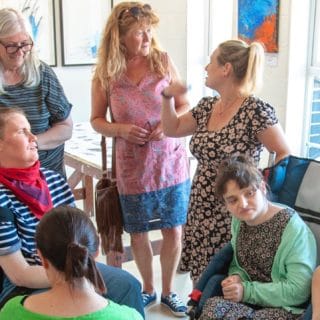
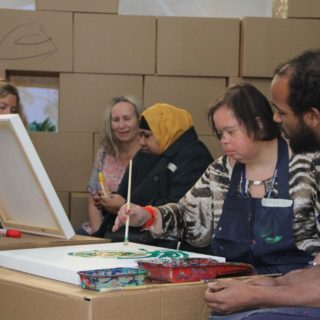
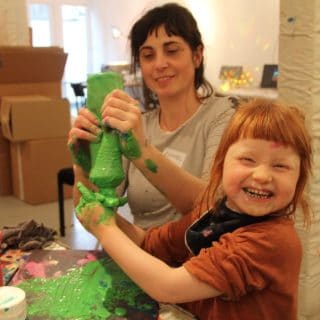
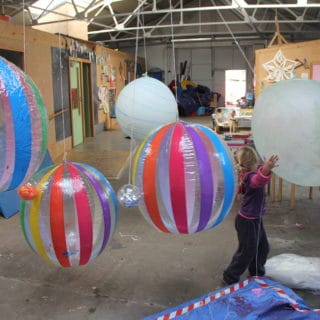
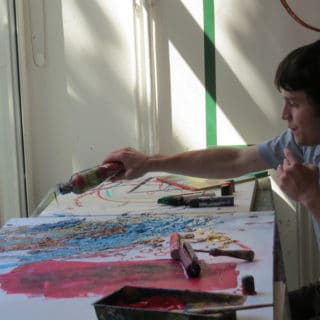
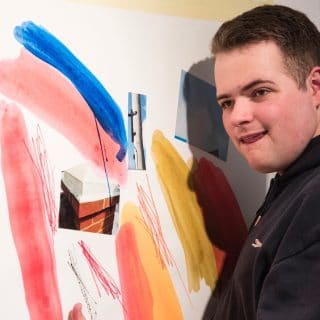
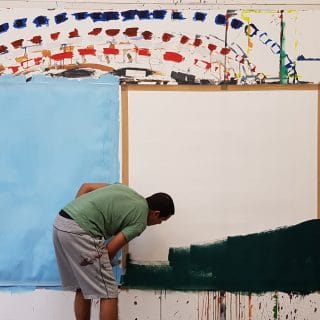
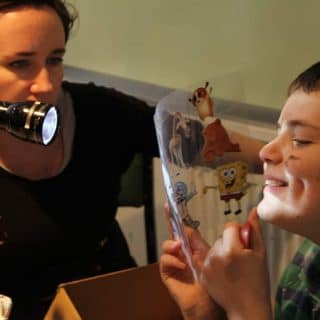
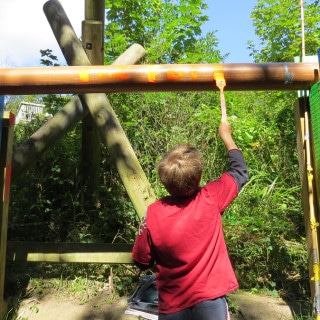
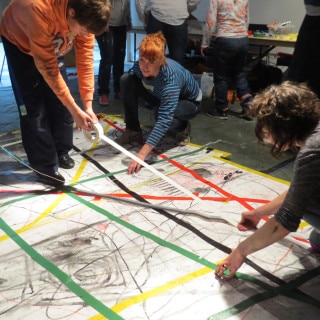
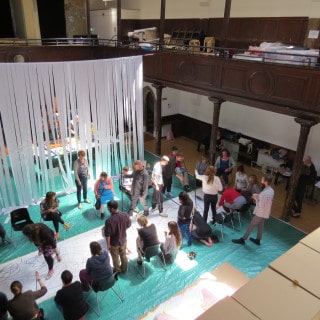
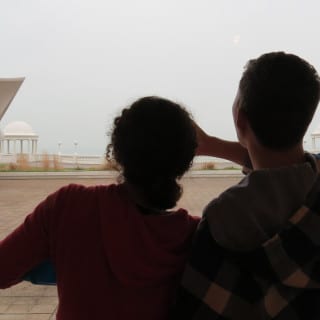
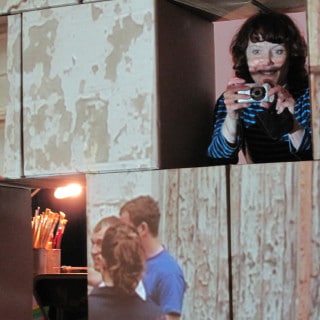
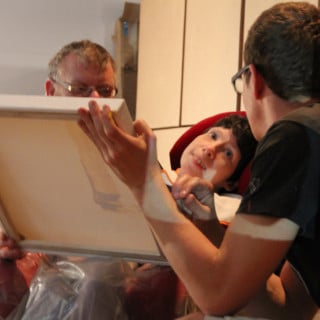
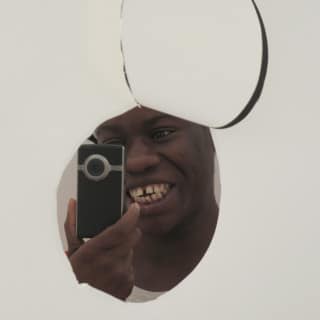
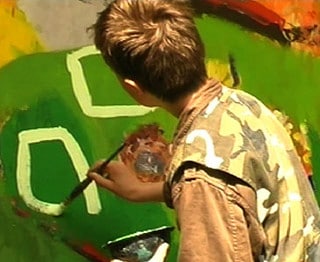
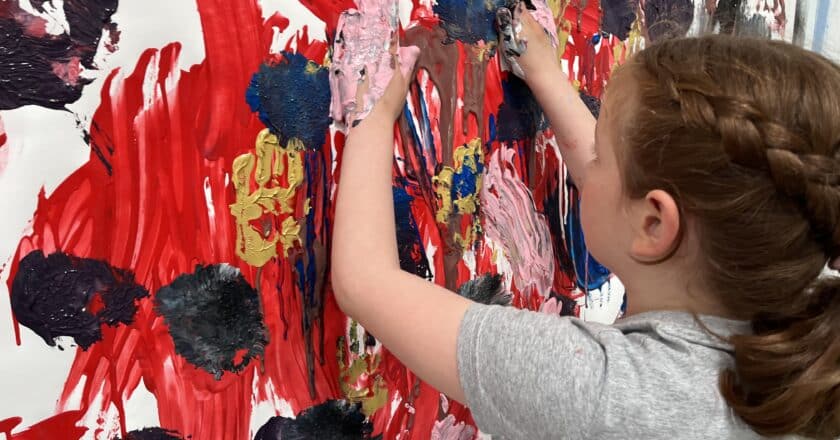
Art Breaks is an innovative project that focuses on children and young people with complex needs, alongside their parents, carers and peers. Across school holidays and weekends, we offer a […]
-
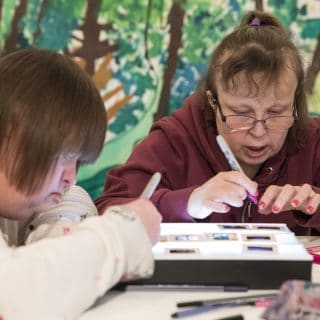
Support Collective
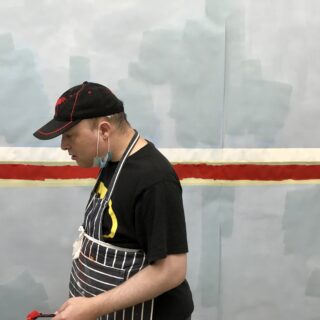
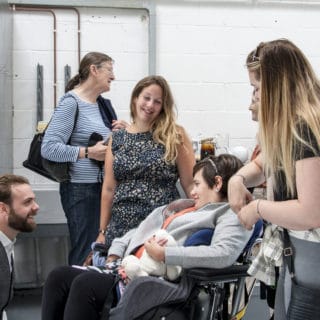
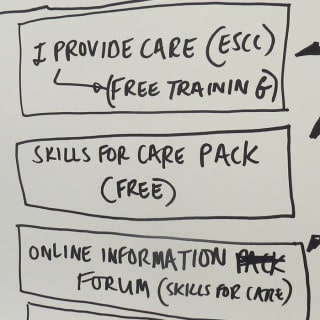
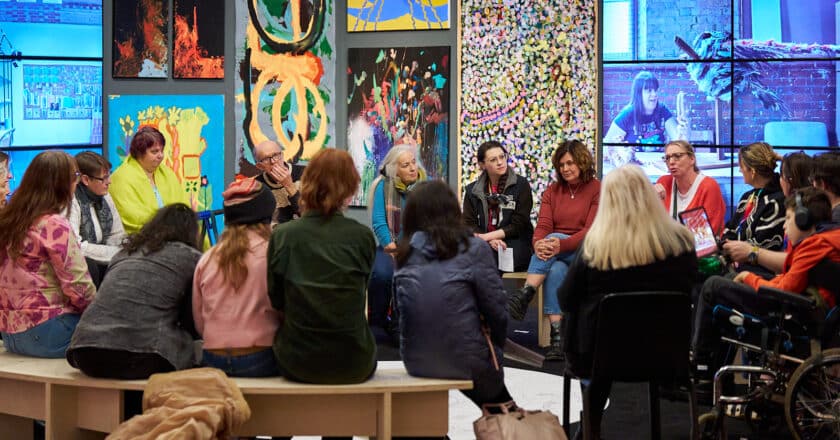
As part of Art Freedom Care, the Support Collective brings together people with lived experience of complex support needs, their circles of support, families, carers, support workers, PAs and representatives from health and […]
-

2023
-
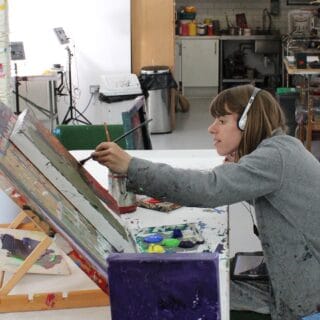
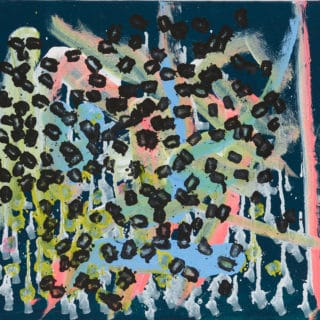
Studio Practice
-
Art. Freedom. Care.
-
Support Collective
-
Art Breaks
-
Explorers
-
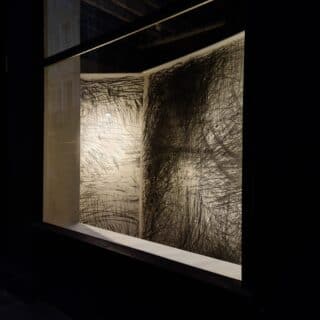
Untitled Gallery
-
2022
-
Art Breaks
-
Art. Freedom. Care.
-

The Support Collective
-
Studio Practice
-
Explorers 2021-2023
-
Untitled Gallery
-
Studio B
-
2021
-
EXPLORERS 2021-2023
-
Art. Freedom. Care.
-
Studio Practice
-
Art Breaks
-
Studio B
-
The Support Collective
-
UNTITLED GALLERY
-
EXPLORERS Project
-
Training and events
-
2020
-
Studio B
-
The Support Collective
-
Art Freedom Care
-
Peer Support Network
-
EXPLORERS Project
-
Art Breaks
-
Propel – In House Studio
-
Untitled Gallery – Gallery & Project Space
-
2019
-
Propel – Studio Sessions
-
EXPLORERS Project
-
Art Breaks
-
Peer Support Network
-
2018
-
Peer Support Network
-
EXPLORERS: Illuminating the Wilderness
-
Art Breaks
-
Propel – Studio Sessions
-
2017
-
Peer Support Network
-
Propel – Supported Studios
-
Propel – Parachute Activate
-
Propel – Tuesday Accelerate Studio
-
EXPLORERS: Illuminating the Wilderness
-
Parachute Club
-
Art Breaks Saturdays
-
Art Breaks
-
Collaborations
-
2016
-
Collaborations: FACT & Thingwall Resource Centre
-
Art Breaks
-
Parachute Club
-
Art Breaks Saturdays
-
Inclusive Studios Project: Tuesdays
-
Inclusive Studios Project: Wednesday Mentoring
-
2015
-
Art Breaks
-
2014
-
Creative Interventions
-
New Collaborations: Fabrica Gallery
-
New Collaborations: MK Gallery
-
Art Breaks
-
2013
-
New Collaborations : De la Warr Pavilion
-
Art Breaks
-
2012
-
Collaboration: MK Gallery
-
Collaboration: FACT Liverpool
-
Collaboration: Camden Arts Centre
-
Boat: Jerwood Gallery
-
2011
-
Permeate Pilot
-
2006
-
Walking the Line
-
2005
-
In Transit/Personal Profile Pilot
-
2004
-

Project Domain
-
2003
-
Crawley Tiles Project
-
2001
-
Project India
-
1999
-
Project Craig
-
1997
-
[Project] Art Works co-founded